
216 posts
Sean Bienvenidos Japonistasarqueologicos A Una Nueva Noticia Arqueolgica Un Poco Particular, Cientficos


Sean bienvenidos japonistasarqueologicos a una nueva noticia arqueológica un poco particular, científicos realizan un estudio a una sirena momificada sagrada de 300 años de antigüedad, dicho esto pónganse cómodos que empezamos. - Una sirena momificada fue usada durante 300 años como amuleto sagrado por los lugareños que creían que tenía poderes curativos, recientes estudios los especialistas descubrieron que el objeto no era tan misterioso como parecía porque solo era artificial. - La gente pensaban que si comían de su carne obtendrían la inmortalidad, estuvo expuesta durante cuatro décadas en el templo Enjuin de Asakuchi, en la prefectura de Okayama. - La criatura tiene 30 cm, fue supuestamente capturada en el océano Pacífico, frente a la isla japonesa de Shikoku, entre los años 1736 y 1741. - ¿Qué opinan al respecto? ¿Conocían la noticia? Espero que os guste y nos movamos en próximas publicaciones del país del sol naciente.
-
Welcome Japanese archaeologists to a new archaeological news, scientists are conducting a study of a 300 year old sacred mummified mermaid, so make yourselves comfortable and let's get started. - A mummified mermaid was used for 300 years as a sacred amulet by locals who believed it had healing powers, recent studies have found that the object was not as mysterious as it seemed because it was only artificial. - People believed that if they ate its flesh they would gain immortality, it was on display for four decades at Enjuin Temple in Asakuchi, Okayama Prefecture. - The creature is 30 cm long, and was supposedly captured in the Pacific Ocean off Japan's Shikoku Island between 1736 and 1741. - What do you think about it, did you know about it? I hope you like it and I look forward to future posts from the land of the rising sun.
-
ようこそ日本の考古学者たちへ 新しい考古学ニュースです 科学者たちは300年前の神聖なミイラ化した人魚の研究を行っています どうぞお寛ぎください さあ始めましょう。 - 人魚のミイラは、300年もの間、地元の人々に神聖なお守りとして使われ、治癒力があると信じられていました。最近の研究で、この物体は人工物であるため、見た目ほど神秘的ではないことが判明しました。 - 人魚の肉を食べると不老不死になると信じられ、岡山県浅口市の延寿院で40年間展示されていた。 - この生物は体長30cmで、1736年から1741年にかけて日本の四国沖の太平洋で捕獲されたと言われている。 - どうでしょう、ご存知でしたか?私はあなたがそれを好きであることを願って、私は日出ずる国からの将来の出版物を楽しみにしています。
-
 bear-pattern-hamster liked this · 1 year ago
 -
 repera23 liked this · 1 year ago
 -
 beanherenow liked this · 1 year ago
 -
 bakinochkame liked this · 1 year ago
 -
 adam-trademark liked this · 1 year ago
 -
 ted-blogs-blog liked this · 1 year ago
 -
 rodolfo9999 liked this · 1 year ago
 -
 rbrooksdesign liked this · 1 year ago
 -
 sicks93 liked this · 1 year ago
 -
 famousinuniverse liked this · 1 year ago
 -
 asiaphotostudio liked this · 1 year ago
 -
 vivencias-del-alma liked this · 1 year ago
 -
 margocooper liked this · 1 year ago
 -
 hiromusicarts-blog liked this · 1 year ago
 -
 danielrexi liked this · 1 year ago
 -
 u-nobu liked this · 1 year ago
 -
 exactlyshinyninja liked this · 1 year ago
More Posts from Noticiasarquelogicasjaponesas


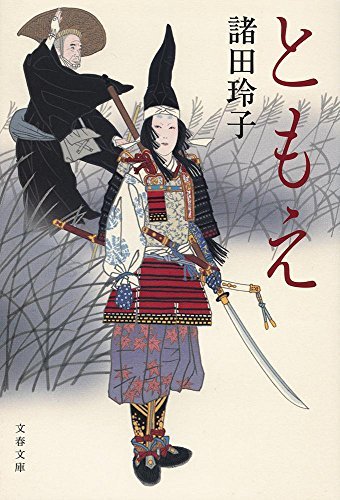


Sean bienvenidos, japonistasarqueológicos a una nueva entrega en esta ocasión hablaremos de Tomoe Gozen una vez dicho esto pónganse cómodos que empezamos. - Tomoe Gozen en hiragana (ともえごぜん) pertenece a Onna-bugeisha (女武芸者) mujeres luchadoras en japonés se conoce más como Ba Yuqian, al hablar de samurais se nos viene imágenes de hombres, las mujeres también tuvieron un gran papel y Tomoe Gozen fue una mujer que participó en el conflicto Genpei 1180-1192, su existencia está un tanto discutida. - Kiso Yoshinaka es muy hábil en las artes marciales y es bueno en el uso de arcos y flechas, os pondré una foto de la Estatua de Kiso Yoshinaka y Bagomae en la prefectura de Nagano. Fue una gran estratega, ya que cuenta la leyenda que en la Batalla del paso de Kuligara uso toros de fuego. - El Cantar de Heike: Son los poemas clásicos más importantes de la historia y la literatura japonesa, en el cual hablan de un sinfín de personajes y leyendas de la época. Fue escrito a principios del siglo XIII. - Espero que os haya gustado, os deseo una feliz semana y nos vemos en próximas publicaciones. 考古学ジャポニストの皆さん、新しい連載へようこそ。今回は巴御前についてお話します。そうは言っても、気を楽にしてから始めましょう。 - ひらがなで「ともえごぜん」は女武芸者に属し、日本語では巴玉銭として知られる女性戦士です。武士といえば男性のイメージが思い浮かびますが、女性も大きな役割を果たしました。 1180年から1192年にかけて源平合戦に参加した女性ですが、その存在については若干の議論があります。 - 木曽義仲は武芸に優れ、弓矢の扱いにも長けており、長野県にある木曽義仲像と馬籠前の写真を載せておきます。 クリガラ峠の戦いでは火の雄牛を使用したという伝説があるため、彼女は優れた戦略家でした。 - 平家の歌: 平家の歌は、日本の歴史と文学において最も重要な古典詩であり、その中で当時の無数の登場人物や伝説について語られています。 13世紀初頭に書かれました。 - 気に入っていただけたなら幸いです。楽しい一週間をお過ごしください。また今後の出版物でお会いしましょう。 Welcome, Archaeological Japonists to a new installment, this time we will talk about Tomoe Gozen, having said that, make yourself comfortable and let's start. - Tomoe Gozen in hiragana (ともえごぜん) belongs to Onna-bugeisha (女武芸者) female fighters in Japanese is better known as Ba Yuqian, when talking about samurai images of men come to mind, women also had a great role and Tomoe Gozen was a woman who participated in the Genpei conflict 1180-1192, her existence is somewhat disputed. - Kiso Yoshinaka is very skilled in martial arts and is good at using bows and arrows, I will put you a photo of Kiso Yoshinaka Statue and Bagomae in Nagano Prefecture. She was a great strategist, since she tells the legend that in the Battle of Kuligara Pass she used bulls of fire. - The Song of Heike: They are the most important classical poems in Japanese history and literature, in which they speak of an endless number of characters and legends of the time. It was written at the beginning of the 13th century. - I hope you liked it, I wish you a happy week and see you in future publications.


Sean bienvenidos japonítasarqueológicos a una nueva entrega síntesis de cultura japonesa en esta ocasión os presento la festividad de Setsubun (節分) - Introducción: En los animes seguramente habéis visto las escenas, en las que se comen un maki, además arrojar frijoles a los demonios, consiste en un exorcismo. - Está festividad surgió en el periodo Heian (794-1192) - ¿La conocían? Espero que os guste y nos vemos en próximas publicaciones de Japón. - Welcome Japanese archaeologists to a new Japanese culture synthesis, this time I present to you the Setsubun (節分) festival. - Introduction: In the animes you have probably seen the scenes, where they eat a maki, plus throwing beans at demons, it consists of an exorcism. - This holiday originated in the Heian period (794-1192). - Did you know it? I hope you like it and see you in future posts from Japan. - 日本の考古学者を歓迎し、新しい日本文化の合成を紹介します。今回は節分祭を紹介します。 - はじめにアニメで見たことがあると思いますが、巻き寿司を食べながら、鬼に豆を投げてお祓いをするシーンがありますよね。 - 平安時代(794-1192)に始まったとされる祝日。 - 知っていましたか?気に入っていただけたら、今後の日本からの投稿でお会いしましょう。


Capítulo 1: INTRODUCCIÓN El japón pre-Jomon. Sean bienvenidos, japonistasarqueologos, a una nueva entrega, arqueológica, una vez dicho esto pónganse cómodos que empezamos. - En esta ocasión nos trasladamos al yacimiento arqueológico Iwajuku, es un sitio arqueológico que está ubicado en lo que ahora corresponde al barrio de Kasuke en la ciudad de Midori, prefectura de Gunma en la región de Kantō, este lugar recibió protección como Sitio Histórico Nacional en 1979 por parte de la unesco y data del paleolítico superior 35.000 -25000 a.C mucho más antiguo que el periodo Jomon estudios recientes lo fechan hace 40.000 años. Las fotos que os mostraré a continuación son del museo de la universidad Meiji, aparte de industria lítica hecha con obsidiana también hay guijarros de piedra. - Espero que os haya gustado y nos vemos en próximas publicaciones que pasen una buena semana. Capítulo 1: INTRODUCCIÓN El japón pre-Jomon. Sean bienvenidos, japonistasarqueologos, a una nueva entrega, arqueológica, una vez dicho esto pónganse cómodos que empezamos. - En esta ocasión nos trasladamos al yacimiento arqueológico Iwajuku, es un sitio arqueológico que está ubicado en lo que ahora corresponde al barrio de Kasuke en la ciudad de Midori, prefectura de Gunma en la región de Kantō, este lugar recibió protección como Sitio Histórico Nacional en 1979 por parte de la unesco y data del paleolítico superior 35.000 -25000 a.C mucho más antiguo que el periodo Jomon estudios recientes lo fechan hace 40.000 años. Las fotos que os mostraré a continuación son del museo de la universidad Meiji, aparte de industria lítica hecha con obsidiana también hay guijarros de piedra. - Espero que os haya gustado y nos vemos en próximas publicaciones que pasen una buena semana. - 第 1 章: はじめに 縄文以前の日本。 日本の考古学者の皆さん、新しい考古学へようこそ。そうは言っても、気を楽にして始めましょう。 - この度、岩宿遺跡へ移動しました。 岩宿遺跡は、現在の関東地方の群馬県みどり市嘉助地区に相当する遺跡で、平成29年に国の史跡として保護されています。 1979年にユネスコによって認定され、その起源は紀元前3万5千年から紀元前2万5千年の後期旧石器時代にまで遡り、縄文時代よりはるかに古く、最近の研究では4万年前のものであると推定されています。以下に紹介する写真は明治大学博物館所蔵のものですが、黒曜石を使った石工業のほかに石の小石もあります。 - 気に入っていただければ幸いです。今後の投稿でお会いしましょう。良い一週間をお過ごしください。 - Chapter 1: INTRODUCTION Pre-Jomon Japan. Welcome, Japanese archaeologists, to a new archaeological installment. Having said that, make yourself comfortable and let's begin. - On this occasion we moved to the Iwajuku archaeological site, it is an archaeological site that is located in what now corresponds to the Kasuke neighborhood in the city of Midori, Gunma prefecture in the Kantō region, this place received protection as a National Historic Site in 1979 by UNESCO and dates back to the Upper Paleolithic 35,000 / 25,000 BC, much older than the Jomon period, recent studies date it to 40,000 years ago. The photos that I will show you below are from the Meiji University Museum, apart from lithic industry made with obsidian there are also stone pebbles. - I hope you liked it and see you in future posts, have a good week.

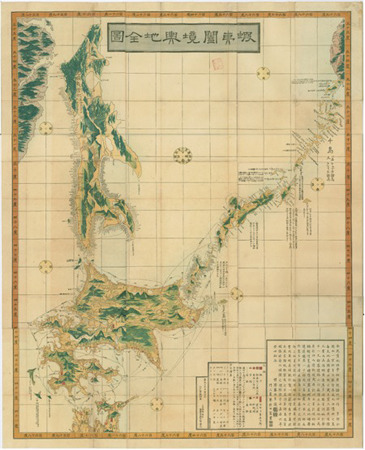


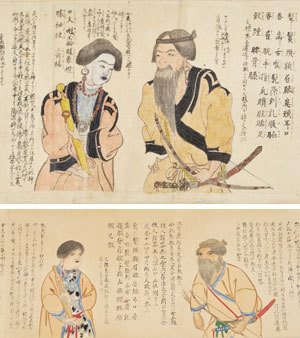
Capítulo 1: Introducción a los Emishi. Sean bienvenidos amantes del mundo japonés a una nueva publicación, en esta ocasión vamos a hablar sobre los emishi dicho esto pónganse cómodos que empezamos. - Para empezar, el término emishi hace referencia a todas las tribus y pueblos que vivían y que todavía viven al norte de Japón es decir la mitad norte de Tohoku, incluida hokkaido a este pueblo se le denominaba y se le denomina todavía a día de hoy Ainu, considerados los primeros pobladores del archipiélago a lo largo del siglo XVI hubo una serie de campañas militares para controlar dicho territorio aunque ya en el siglo VII siglo VIII después de Cristo durante el apogeo del clan yamato crearon una serie de fortalezas al norte para mantenerlos a raya. De hecho eran denominados bárbaros del norte que además se revelarán en más de una ocasión bajo el dominio japonés sin resultado alguno, actualmente se les da un reconocimiento a esta cultura, que en el pasado no lo tuvieron, como por ejemplo hay un museo dedicado a ellos y a su cultura. - Espero que os haya gustado y nos vemos en próximas publicaciones que pasen una buena semana. - 第 1 章: 蝦夷の紹介。 日本世界を愛する皆さん、新しい出版物にようこそ。今回は蝦夷について話します。とはいえ、気を楽にして始めましょう。 - まず、蝦夷という用語は、日本の北、つまり北海道を含む東北の北半分に住んでいた、そして今も住んでいるすべての部族と民族を指し、この民族は現在もアイヌと呼ばれていると考えられています。 16 世紀を通じてこの列島に最初に定住した人々は、その領土を支配するために一連の軍事作戦を行ったが、すでに 7 世紀から 8 世紀にはヤマト氏の全盛期に、彼らは北に一連の要塞を築き、領土を維持していた。湾。実際、彼らは北の野蛮人と呼ばれていましたが、日本の統治下でも何の成果も得られずに何度も姿を現しましたが、現在では、この文化は、例えば、そこでは過去にはなかった認識を与えられています。は彼らとその文化に特化した博物館です。 - 気に入っていただければ幸いです。今後の投稿でお会いしましょう。良い一週間をお過ごしください。 - Chapter 1: Introduction to the Emishi. Welcome lovers of the Japanese world to a new publication, this time we are going to talk about the emishi, that being said, make yourself comfortable and let's get started. - To begin with, the term Emishi refers to all the tribes and peoples who lived and still live in the north of Japan, that is, the northern half of Tohoku, including Hokkaido. This people was called and is still called Ainu today. , considered the first settlers of the archipelago throughout the 16th century there were a series of military campaigns to control said territory although already in the 7th century 8th century AD during the heyday of the Yamato clan they created a series of fortresses to the north to keep them at bay. stripe. In fact, they were called barbarians of the north who also revealed themselves on more than one occasion under Japanese rule without any result. Currently, this culture is given recognition, which in the past they did not have, such as, for example, there is a museum dedicated to them and their culture. - I hope you liked it and see you in future posts, have a good week.


En esta publicación hablaremos sobre el Túmulo funerario de Hirata Umeyama, localizado en el pueblo de Asuka, distrito de Takaichi, prefectura de Nara, mide 140 m y se cree que fue construido a finales del período Kofun VI d.c, fue la tumba de un gran rey durante el período final de la soberanía de Yamato. - Está administrado por la Agencia de la Casa Imperial, que estableció un lugar de culto en el mausoleo Hinokuma-zakaago del emperador Kinmei, cabe destacar que el 90% de los kofun son sagrados. El túmulo funerario de Maruyama localizado en la ciudad de Kashihara, es el túmulo funerario más grande de la prefectura de Nara y el 6º en Japón y tiene una longitud de 318 m, se trata de la tumba del emperador Kinmei. - Cabe destacar que hasta que no se realicen estudios es difícil saberlo, pero como he dicho antes, al ser sitios sacros los estudios son dificultosos. "Konjaku Monogatari Shu" (Colección de cuentos de tiempos pasados), que se completó al final del período Heian, contiene una anotación que sugiere que el túmulo Hirata Umeyama fue la tumba del emperador Kinmei, por lo que ya se pensaba ser la tumba del emperador Kinmei en la Edad Media” - Durante el período Edo, el montículo y sus alrededores se vieron modificados en gran medida, en lo que respecta a su posición original, el túmulo de Hirata Umeyama tiene unas características del período Asuka. Debido a su relación con el túmulo funerario de Maruyama localizado en la ciudad de Kashihara, está a tan solo a unos 700 m de distancia. - Espero que os haya gustado y nos vemos en próximas publicaciones. - In this publication we will talk about the Hirata Umeyama Burial Mound, located in the town of Asuka, Takaichi district, Nara prefecture, it measures 140 m and is believed to have been built at the end of the Kofun VI period AD, it was the tomb of a great king during the final period of Yamato's sovereignty. - It is administered by the Imperial Household Agency, which established a place of worship in the Hinokuma-zakaago mausoleum of Emperor Kinmei, it should be noted that 90% of the kofun are sacred. The Maruyama Burial Mound, located in the city of Kashihara, is the largest burial mound in Nara Prefecture and the 6th in Japan and has a length of 318 m. It is the tomb of Emperor Kinmei. - It should be noted that until studies are carried out it is difficult to know, but as I said before, since they are sacred sites, studies are difficult. "Konjaku Monogatari Shu" (Collection of Tales of Bygone Times), which was completed at the end of the Heian period, contains an annotation suggesting that the Hirata Umeyama mound was the tomb of Emperor Kinmei, so it was already thought to be the tomb of the Emperor Kinmei in the Middle Ages - During the Edo period, the mound and its surroundings were greatly modified. Regarding its original position, the Hirata Umeyama mound has characteristics of the Asuka period. Due to its relationship with the Maruyama burial mound located in the city of Kashihara, it is only about 700 m away. - I hope you liked it and see you in future posts. - 今回は、奈良県高市郡明日香町にある平田梅山古墳について紹介します。古墳第六期末期に築造されたと考えられている全長140メートルの古墳です。ヤマト王権末期の大王の墓。 - 欽明天皇の檜隈坂合御陵に拝所を設置した宮内庁が管理しており、古墳の9割が神聖であることに注目すべきである。 橿原市にある丸山古墳は、全長318mで奈良県最大、全国6番目の古墳です。 - なお、研究してみないとわかりませんが、先ほども言いましたが、聖地であるため研究は困難です。 平安時代末期に成立した『今昔物語集』には、平田梅山古墳を欽明天皇陵とする注記があり、すでに欽明天皇陵であると考えられていた。中世の欽明天皇の - 平田梅山古墳は、江戸時代に墳丘とその周囲が大きく改変されましたが、その原位置は飛鳥時代の特徴を持っています。橿原市にある丸山古墳との関係で700mほどしか離れていない。 - 気に入っていただければ幸いです。今後の投稿でお会いしましょう